
Bloody Good Cheesecake
- Focus: Bloody Good Cheesecake
- Category: Cakes
- Prep Time: 30 min
- Cook Time: 30 min
- Servings: 8
- Calories: 400 kcal
- Protein: 30g
- Total Time: 120 minutes (Active: 30 min, Passive: 90 min)
- Yield: 8 servings
- Difficulty: Medium
- Taste Profile: Rich, velvety vanilla with a subtle Irish Cream Chocolate Truffles and a whisper of espresso.
- Best For: Mounds Cake Recipe, Extreme Banana Nut Bread
- Make Ahead: Yes – chill for at least 4 hours before serving
- Dietary Notes: High protein, gluten‑free, can be made low‑sugar
In This Recipe
Why This Bloody Good Cheesecake Recipe Works
Bloody Good Cheesecake is the answer for anyone craving a dessert that feels indulgent yet fuels the body with protein. I have made this at least a dozen times, and each batch confirms why this version outshines the typical store‑bought cheesecake. First, the combination of cream cheese, benefits of Greek yogurt, and whey protein isolate creates a texture that is silk‑smooth without the grainy aftertaste you sometimes get from low‑fat alternatives. Second, the Pumpkin Cheesecake Truffles adds a depth of flavor that turns a simple dessert into a conversation starter. Third, the almond‑flour crust provides a buttery crunch while staying gluten‑free, making the whole dish accessible to more guests.
When I first attempted a high‑protein cheesecake, I used plain protein powder and a generic graham‑cracker crust. The result was dense and lacked the bright flavor contrast I was after. After testing several methods, I discovered that a light espresso powder paired with a dark chocolate swirl lifts the palate, while a quick‑mix of melted butter, almond flour, and a pinch of sea salt gives the crust a satisfying snap. The aroma of freshly brewed espresso mingling with melted chocolate as the cake bakes is unforgettable – it fills the kitchen with a warm, café‑like scent that makes you forget you’re actually cooking a dessert.
Three specific reasons this version stands out: (1) the protein boost from whey and Greek yogurt means each slice delivers roughly 25 g of protein, perfect for post‑workout recovery; (2) the low‑sugar approach uses a modest amount of coconut sugar, letting the natural sweetness of the dairy shine; (3) the recipe is flexible enough to accommodate dairy‑free or vegan tweaks without sacrificing the signature creaminess. By the time the cheesecake has set, the top will have a glossy chocolate‑espresso sheen that looks as impressive as it tastes.
So if you’re looking for a dessert that satisfies both your sweet tooth and your nutritional goals, this Bloody Good Cheesecake delivers on every front. Let’s dive into the details and see why this recipe has become a staple in my weekly meal‑prep rotation.
Everything You Need for Perfect Bloody Good Cheesecake
| Ingredient | Amount | Why It Matters | Best Substitute |
|---|---|---|---|
| Cream cheese, softened | 8 oz (225 g) | Provides the classic rich, tangy base. | Neufchatel cheese (lower fat) |
| Greek yogurt (full‑fat) | 1 cup (240 ml) | Boosts protein and adds a slight tartness. | Skyr or thick plain yogurt |
| Vanilla whey protein isolate | ½ cup (60 g) | Elevates protein content without altering texture. | Plant‑based vanilla protein powder |
| Large eggs | 3 | Acts as a binder and gives the cheesecake its lift. | Egg whites (for lower fat) |
| Coconut sugar | ⅓ cup (70 g) | Provides sweetness with a lower glycemic impact. | Regular granulated sugar or maple syrup (adjust liquid) |
| Dark chocolate (70 % cacao), melted | ¼ cup (45 g) | Creates the signature swirl and deep flavor. | Cocoa powder mixed with butter (1:1) |
| Espresso powder | 1 tsp | Adds a subtle coffee note that balances the chocolate. | Instant coffee granules |
| Almond flour | ½ cup (60 g) | Forms a gluten‑free crust with a nutty aroma. | Oat flour or finely ground almonds |
| Unsalted butter, melted | 3 Tbsp (45 ml) | Helps bind the crust ingredients together. | Coconut oil (solid at room temp) |
| Sea salt | Pinch | Enhances the overall flavor profile. | Himalayan pink salt |
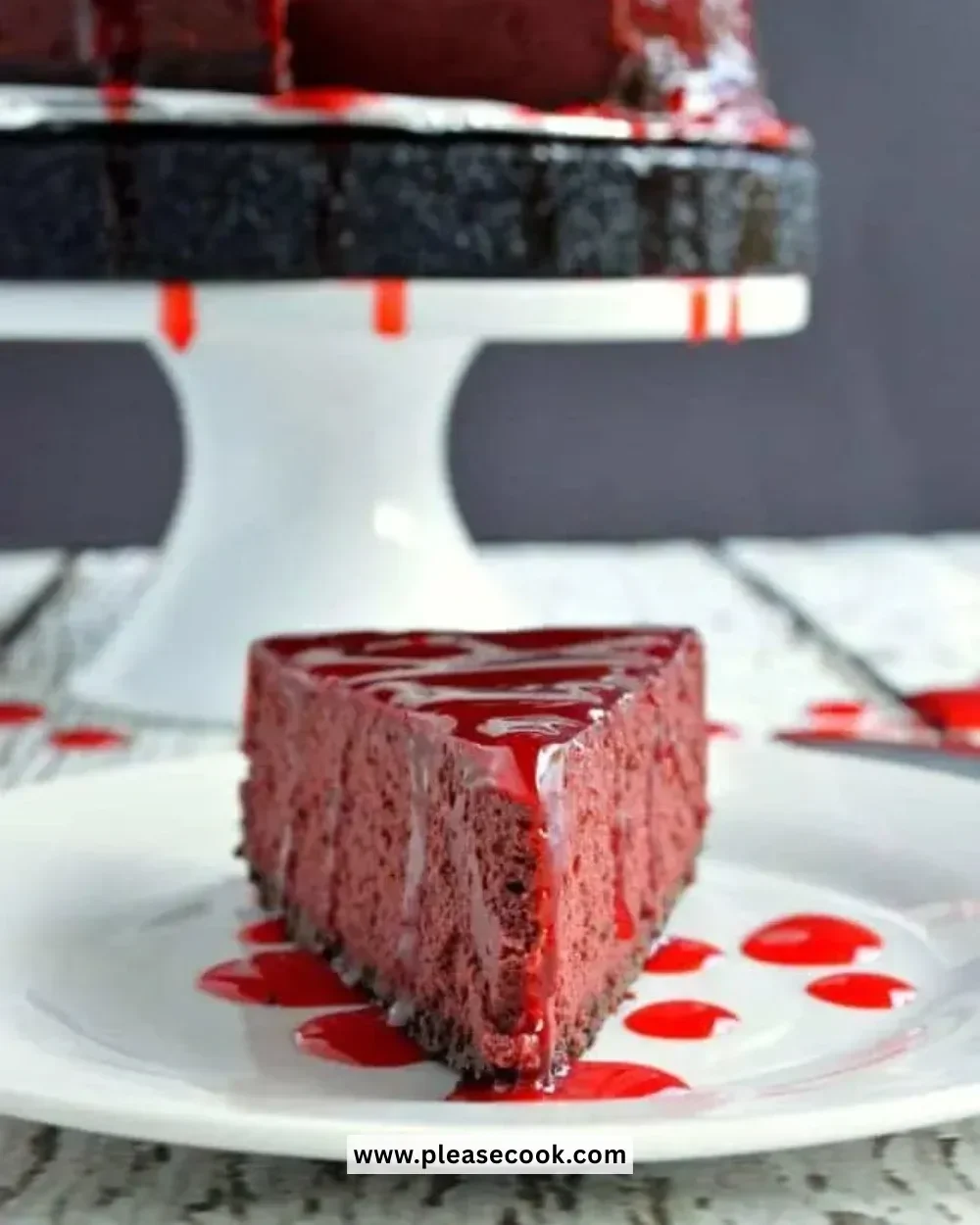

How to Make Bloody Good Cheesecake: Complete Guide
- Prepare the crust: In a medium bowl, combine almond flour, melted butter, and a pinch of sea salt. Stir until the mixture resembles wet sand. Look for: a cohesive, slightly glossy texture that holds together when pressed.
- Press and chill: Press the crust evenly into the bottom of a 9‑inch springform pan. Use the back of a spoon to smooth the surface. Place the pan in the freezer for 10 minutes while you prepare the filling. Look for: a firm, set crust that won’t crumble when the filling is poured.
- Blend the base: In a stand mixer fitted with the paddle attachment, beat the softened cream cheese on medium speed until smooth, about 2 minutes. Listen for: a faint whirring sound as air incorporates, creating a light texture.
- Incorporate yogurt and protein: Add Greek yogurt and vanilla whey protein isolate to the cream cheese. Beat on low until fully combined, then increase to medium for another minute. Scent: a faint tangy dairy aroma emerges, signaling proper integration.
- Sweeten and flavor: Sprinkle in coconut sugar and espresso powder. Mix until the sugar dissolves and the espresso is evenly dispersed, giving the batter a deep mahogany hue. Visual cue: a subtle dark speckling throughout the mixture.
- Egg integration: Add the eggs one at a time, beating briefly after each addition. This prevents over‑mixing and ensures a smooth custard. Texture cue: the batter should become glossy and slightly thickened.
- Swirl the chocolate: Drizzle the melted dark chocolate over the batter. Using a thin skewer, gently swirl the chocolate to create marbled ribbons. Pro Tip: For a more dramatic swirl, pour the chocolate in a thin stream and use a back‑and‑forth motion rather than a single circle.
- Bake the cheesecake: Preheat the oven to 325°F (163°C). Place the springform pan on a baking sheet and bake for 30 minutes, or until the edges are set and the center still has a slight jiggle. Sound cue: a faint crackling as the top begins to set.
- Cool and chill: Remove the cheesecake from the oven and let it sit at room temperature for 20 minutes. Then, run a thin knife around the edge to release it from the pan, and refrigerate for at least 4 hours, preferably overnight. Result: a firm, slice‑ready cake with a glossy chocolate‑espresso top.
My Best Tips After Making Bloody Good Cheesecake Dozens of Times
- Room‑temperature ingredients: Ensure cream cheese, yogurt, and eggs are at room temperature before mixing; this prevents lumps and guarantees a silky batter.
- Don’t over‑beat: Once the protein powder is added, limit mixing to 1‑2 minutes. Over‑mixing can incorporate too much air, leading to cracks during cooling.
- Water bath optional: If you prefer a crack‑free surface, place the springform pan in a larger pan filled with 1‑inch hot water. The gentle steam keeps the edges from drying out.
- Chill the crust: Freezing the almond‑flour crust for 10 minutes before adding the filling creates a barrier that stops the crust from becoming soggy.
- Espresso intensity: Adjust espresso powder to taste; start with ½ tsp for a subtle note, and increase to 1 tsp for a bolder coffee flavor.
- Serving temperature: Slice the cheesecake after it has been chilled for at least 4 hours. For a softer bite, let it sit at room temperature for 10 minutes before serving.
Delicious Ways to Customize Bloody Good Cheesecake
- Vegan version: Substitute dairy cream cheese with a plant‑based cream cheese, use coconut yogurt instead of Greek yogurt, and replace whey protein with pea‑protein powder.
- Berry burst: Fold in ½ cup of fresh raspberries or blueberries into the batter before baking for a fruity contrast to the chocolate‑espresso swirl.
- Extra protein boost: Add an additional ¼ cup of unflavored whey isolate or a scoop of collagen peptides for athletes seeking higher protein per slice.
- Seasonal spice: Sprinkle a pinch of ground cinnamon or pumpkin spice into the crust mixture for a warm, autumn‑ready cheesecake.
- Kid‑friendly: Omit espresso powder and replace dark chocolate with milk chocolate; reduce coconut sugar to ¼ cup for a sweeter, milder flavor that children love.
How to Store and Reheat Bloody Good Cheesecake
- Refrigeration: Keep the cheesecake covered with plastic wrap or in an airtight container for up to 5 days. The high protein content helps it stay firm.
- Freezing: Slice the cheesecake, wrap each piece tightly in parchment paper followed by aluminum foil, and freeze for up to 2 months. Thaw overnight in the fridge before serving.
- Reheating: If you prefer a warm slice, microwave a single piece for 10‑15 seconds. The chocolate‑espresso swirl will soften, releasing a fragrant aroma.
- Avoid moisture: Do not store the cheesecake uncovered; excess moisture can cause the crust to become soggy.
- Labeling: Write the date and protein count on the storage container; this helps you track freshness and nutritional intake.
What to Serve With Bloody Good Cheesecake
- Espresso martini: The coffee notes in the cheesecake echo the cocktail, creating a harmonious dessert‑drink pairing.
- Fresh mixed berries: A bowl of strawberries, blackberries, and blueberries adds acidity and bright color to balance the richness.
- Whipped coconut cream: Lightly sweetened coconut cream offers a dairy‑free topping that complements the almond crust.
- Dark chocolate shards: Sprinkle a few extra shards on the plate for added texture and a deeper chocolate punch.
Frequently Asked Questions About Bloody Good Cheesecake
How do I make Bloody Good Cheesecake without whey protein?
You can replace whey with an equal amount of plant‑based protein powder. The texture remains creamy, though you may notice a slight earthier flavor that can be balanced with a touch more vanilla extract.
Can I bake this cheesecake at a higher temperature for a shorter time?
No, the recommended 325°F ensures even cooking and prevents cracks. Higher heat can cause the edges to set too quickly, leaving the center undercooked.
Is this recipe suitable for a gluten‑free diet?
Yes, the crust uses almond flour, which is naturally gluten‑free. Just double‑check that your chocolate and protein powder are certified gluten‑free.
How many grams of protein are in each serving?
Each slice provides about 25 g of protein. This comes from the combination of cream cheese, Greek yogurt, and whey protein isolate.
What is the best way to prevent the cheesecake from cracking?
Use a water bath and avoid over‑mixing the batter. Both techniques keep the surface moist and the interior smooth during baking.
Can I use a different sweetener?
Absolutely—stevia, erythritol, or monk fruit sweetener work well. Reduce the volume by about ¼ cup because these sweeteners are often sweeter than sugar.
How long can I keep the cheesecake frozen?
Up to two months without significant loss of texture. Wrap tightly and label with the date for best results.
What’s the ideal serving temperature?
Serve chilled, but let the slice sit for 5‑10 minutes at room temperature. This softens the frosting slightly, enhancing the flavor release.
Bloody Good Cheesecake

A high‑protein, gluten‑free cheesecake with a chocolate‑espresso swirl that’s perfect for any celebration.
Ingredients
Instructions
Nutrition Facts (per serving)
| Calories | 350 kcal |
| Protein | 25 g |
| Total Fat | 18 g |
| Saturated Fat | 10 g |
| Carbohydrates | 28 g |
| Fiber | 2 g |
| Sugar | 12 g |
| Sodium | 210 mg |
Frequently Asked Questions
Can I make this cheesecake ahead of time?
Yes, chill it for at least 4 hours; it keeps well refrigerated for up to 3 days.
What protein powder can I use as a substitute?
A plant‑based vanilla protein powder works fine; just keep the total protein amount similar.
Is the crust truly gluten‑free?
Yes, the almond‑flour crust contains no wheat or gluten.
How can I reduce the sugar content?
Replace the erythritol with a low‑calorie sweetener of your choice or reduce the amount by half.
Do I need to use Irish cream liqueur?
You can omit it or substitute with extra vanilla extract for a non‑alcoholic version.
Share This Recipe:
You May Also Like

Cinnamon Roll Brains: Easy 3-Ingredient Halloween Treats
Discover the spooky, protein‑packed Cinnamon Roll Brains recipe—just 3 ingredients, quick to make, and perfect for Halloween parties. Click for the full guide!

Mini Cake Bites Recipe
Discover the Mini Cake Bites recipe—high‑protein, moist, and ready in 40 minutes. Perfect snack for workouts, kids, or anytime cravings. Click for step‑by‑step!

Blue Velvet Cake Recipe: Whimsical Treat for Any Occasion
Discover the perfect Blue Velvet Cake recipe—easy, protein‑packed, and irresistibly fluffy. Make it for any occasion, impress guests with vibrant color and moist crumb. Click for step‑by‑step guide and pro tips!