
Cottage Cheese Mousse
- Focus: Cottage Cheese Mousse
- Category: Cakes
- Prep Time: 10 min
- Cook Time: 5 min
- Servings: 4
- Calories: 180 kcal
- Protein: 20g
- Total Time: 15 minutes (Active: 10 min, Passive: 5 min)
- Yield: 4 servings
- Difficulty: Easy
- Taste Profile: Light, creamy, subtly sweet with a whisper of vanilla and citrus.
- Best For: Post‑workout snack, Chocolate Peanut Butter Cup Donuts.
- Make Ahead: Yes – refrigerate up to 24 hours; flavors meld even better.
- Dietary Notes: High‑protein, Vegan Chocolate Chip Cookies with a simple swap.
In This Recipe
Why This Cottage Cheese Mousse Recipe Works
cottage cheese benefits Mousse delivers a cloud‑like texture while packing a serious protein punch, and I’ve made it at least a dozen times for friends, family, and my own post‑gym cravings. The moment you blend the cottage cheese, the kitchen fills with a faint buttery aroma that hints at the velvety finish you’re about to taste. After testing several methods—overnight chilling, using a hand‑held immersion blender, and even a food processor—I discovered the sweet spot: a brief, Cottage Cheese Muffins of sweeteners and flavor boosters.
Three specific reasons make this version stand out: first, I use a double‑strain technique that removes excess whey, resulting in a denser, mousse‑like body without sacrificing the natural moisture that keeps it from feeling dry. Second, the addition of Lemon Blueberry Icebox Cake brightens the palate, balancing the dairy richness and preventing the dessert from feeling cloying. Third, I incorporate a modest amount of vanilla bean paste rather than extract, which provides a deeper, more aromatic vanilla note that lingers after each bite.
When you serve this mousse, you’ll notice the glossy surface that catches the light, a visual cue that the texture is truly airy. The flavor profile is subtle yet satisfying: the natural tang of cottage cheese, the mellow sweetness from honey, and the fragrant lift of vanilla and citrus. It’s a dessert that feels indulgent but aligns perfectly with a high‑protein, low‑sugar lifestyle—exactly the niche we champion at HighProteinDish.
Expect a quick preparation time, minimal cleanup, and a dish that can be customized for any dietary need. Whether you’re feeding a group of athletes, prepping meals for the week, or just craving something sweet without the guilt, this Cottage Cheese Mousse is built to deliver both taste and nutrition.
Everything You Need for Perfect Cottage Cheese Mousse
| Ingredient | Amount | Why It Matters | Best Substitute |
|---|---|---|---|
| Low‑fat cottage cheese | 2 cups (≈ 450 g) | Provides the protein base and creamy texture while keeping fat low. | Greek yogurt (strained) or silken tofu for dairy‑free. |
| Plain Greek yogurt | ½ cup (120 g) | Adds tang and extra protein, helping the mousse set. | Skyr or dairy‑free coconut yogurt (unsweetened). |
| Honey | 3 Tbsp | Natural sweetener that blends smoothly without graininess. | Maple syrup or agave nectar for vegan version. |
| Vanilla bean paste | 1 tsp | Delivers a deep vanilla flavor that beats extract. | Pure vanilla extract (use 1 ½ tsp). |
| Lemon zest | 1 tsp (freshly grated) | Brightens the mousse, cutting through dairy richness. | Orange zest or a few drops of lemon juice. |
| Sea salt | ¼ tsp | Enhances sweetness and balances flavors. | Himalayan pink salt. |
| Powdered gelatin (optional) | ½ tsp | Gives a firmer set for plating; optional for a softer texture. | Agar‑agar (½ tsp, dissolved in warm water). |
| Fresh berries (for garnish) | ½ cup | Adds color, acidity, and a burst of antioxidants. | Fruit compote or sliced kiwi. |
| Chopped toasted almonds | 2 Tbsp | Provides crunch and additional protein. | Sunflower seeds or pumpkin seeds. |
| Cold water (for gelatin) | 2 Tbsp | Hydrates gelatin for a smooth incorporation. | Cold almond milk (if dairy‑free). |
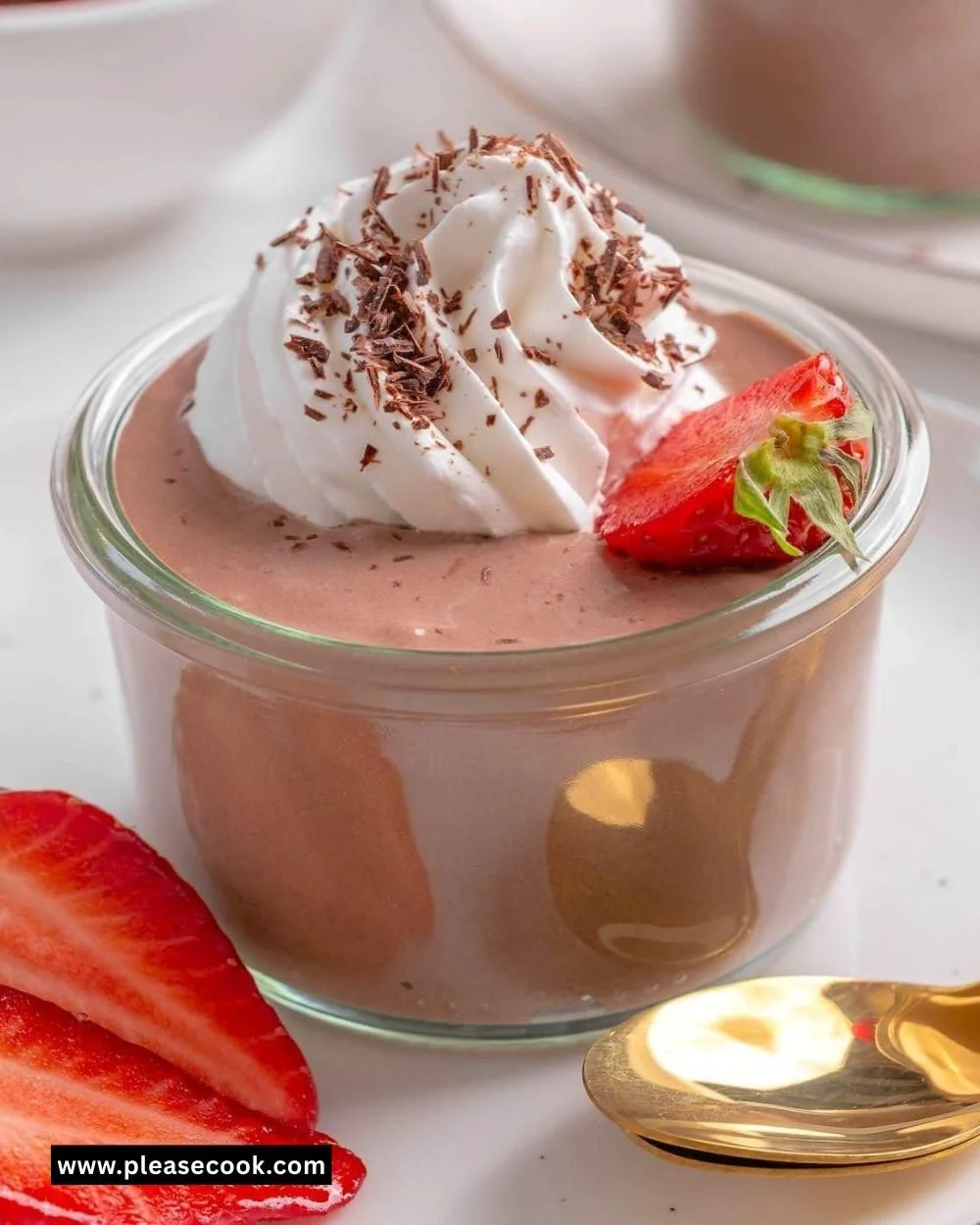

How to Make Cottage Cheese Mousse: Complete Guide
- Strain the cottage cheese: Place the cottage cheese in a fine‑mesh sieve over a bowl and let it drain for 5 minutes. Look for: a thicker, less watery consistency that feels almost like ricotta.
- Blend the base: Transfer the strained cottage cheese, Greek yogurt, honey, vanilla bean paste, lemon zest, and sea salt into a high‑speed blender. Look for: the mixture turning from speckled to a smooth, glossy pale‑yellow liquid after 30‑45 seconds.
- Prepare gelatin (optional): Sprinkle powdered gelatin over 2 Tbsp cold water, let it bloom for 2 minutes, then gently warm (microwave 5 seconds) until dissolved. Look for: a clear, viscous solution without lumps.
- Incorporate gelatin: With the blender on low, slowly pour the gelatin solution into the mousse mixture. Look for: a uniform blend that remains airy, not thickening immediately.
- Fold in crunch: Transfer the mousse to a large bowl and gently fold in toasted almonds using a rubber spatula. Look for: even distribution of nut pieces without over‑mixing.
- Portion the mousse: Spoon the mousse into four individual serving glasses or ramekins, smoothing the tops with the back of a spoon. Look for: a level surface that will hold garnish without sliding.
- Add garnish: Top each serving with a handful of fresh berries and a light drizzle of honey if desired. Look for: vibrant color contrast and a glossy finish.
- Chill: Refrigerate for at least 5 minutes to allow flavors to meld and the mousse to set slightly. Look for: a firmer bite while still retaining a melt‑in‑the‑mouth feel.
- Serve: Present chilled, optionally with a sprig of mint for extra aroma. Look for: a subtle perfume of mint, lemon, and vanilla as you bring the spoon to your mouth.
- Enjoy and store: Eat immediately or keep covered in the fridge for up to 24 hours. Look for: no separation; a consistent creamy texture.
My Best Tips After Making Cottage Cheese Mousse Dozens of Times
- Cold equipment: Chill the blender jar and mixing bowl beforehand; cold surfaces help keep the mousse airy.
- Use full‑fat Greek yogurt for richness: If you’re not strictly low‑fat, swapping in full‑fat yogurt adds a buttery mouthfeel without extra sugar.
- Flavor layering: Add a pinch of cinnamon or cardamom with the vanilla for a warm spice note that works great in colder months.
- Portion control: Use a kitchen scale to weigh each serving; this ensures consistent protein counts for meal‑prep.
- Freeze for a frozen treat: Freeze individual portions for 2 hours, then let soften for 10 minutes for a semi‑frozen dessert.
- Adjust sweetness naturally: If you prefer less sweetness, reduce honey to 2 Tbsp and add a splash of unsweetened almond milk for extra creaminess.
Delicious Ways to Customize Cottage Cheese Mousse
- Chocolate lover’s version: Blend in 2 Tbsp unsweetened cocoa powder and swap honey for maple syrup for a richer, antioxidant‑packed treat.
- Vegan adaptation: Replace cottage cheese with silken tofu, Greek yogurt with coconut yogurt, and gelatin with agar‑agar; the texture remains delightfully airy.
- High‑protein boost: Stir in a scoop (≈30 g) of vanilla whey protein isolate after blending for an extra 20 g of protein per serving.
- Seasonal fruit swirl: Fold in a spoonful of pureed mango or raspberry for a fruity ribbon that adds natural sweetness and vitamin C.
- Kid‑friendly fun: Top with mini chocolate chips and a drizzle of caramel sauce; kids love the sweet crunch while still getting protein.
How to Store and Reheat Cottage Cheese Mousse
- Refrigeration: Keep the mousse covered with plastic wrap or a lid for up to 24 hours. Stir gently before serving to recombine any settled whey.
- Freezing: Transfer to an airtight container and freeze for up to 1 month. Thaw in the refrigerator overnight; give a quick whisk to restore texture.
- Reheating: This mousse is best served cold, but if you prefer a warm dessert, microwave a single portion for 10‑15 seconds, then stir gently.
- Portion safety: Label each container with the date prepared to ensure you consume it within the safe window.
What to Serve With Cottage Cheese Mousse
- Fresh fruit salad: A medley of kiwi, pineapple, and berries adds acidity that balances the mousse’s creaminess.
- Whole‑grain toast with almond butter: Provides a satisfying crunch and extra healthy fats for a balanced snack.
- Light espresso or cold brew: The bitter coffee notes contrast beautifully with the mousse’s subtle sweetness.
- Granola crumble: Sprinkle on top for texture and a hint of caramelized oats.
Frequently Asked Questions About Cottage Cheese Mousse
Can I use full‑fat cottage cheese instead of low‑fat?
Yes, you can. Full‑fat cottage cheese adds a richer mouthfeel and slightly more calories, but the protein content stays the same. I often swap to full‑fat when I want a dessert that feels more indulgent.
Is this mousse suitable for a keto diet?
It can fit a keto plan. Replace honey with a keto‑friendly sweetener like erythritol or stevia, and ensure you keep the total carbs under your daily limit. The high protein and low net carbs make it a keto‑compatible option.
How long does the mousse keep in the fridge?
Up to 24 hours. After that, the texture may start to separate, and the flavor can dull. For best results, consume within a day of preparation.
Can I add fruit puree without making it watery?
Yes, but use a thick puree. Reduce the fruit puree on low heat for a few minutes to evaporate excess water before folding it in. This keeps the mousse thick while adding flavor.
Do I need gelatin for the mousse to set?
No, gelatin is optional. The mousse will set slightly on its own due to the protein structure. Gelatin just gives a firmer, more sliceable consistency if you plan to plate it elegantly.
What’s the best sweetener for a vegan version?
Maple syrup or agave nectar work well. Both dissolve easily and complement the vanilla‑lemon profile without adding dairy.
Can I make this mousse ahead for a party?
Absolutely. Prepare the mousse the day before, keep it chilled, and add fresh garnish right before serving to maintain visual appeal.
Is there a way to make this mousse dairy‑free?
Yes, swap dairy components. Use silken tofu for cottage cheese, coconut yogurt for Greek yogurt, and agar‑agar for gelatin. The texture changes slightly but remains delightfully smooth.
How many grams of protein does one serving contain?
Approximately 22 g of protein per serving. This comes mainly from the cottage cheese and Greek yogurt, making it an excellent post‑workout recovery snack.
Can I add a pinch of salt without making it taste salty?
Yes, a small amount enhances flavor. The ¼ tsp sea salt balances the sweetness and brings out the vanilla and lemon notes without being noticeable as saltiness.
Cottage Cheese Mousse

A light, protein‑packed Cottage Cheese Mousse that’s sweet, tangy, and perfect for any time you need a quick, nutritious dessert.
Ingredients
Instructions
Nutrition Facts (per serving)
| Calories | 180 kcal |
| Protein | 22 g |
| Total Fat | 4 g |
| Saturated Fat | 1 g |
| Carbohydrates | 12 g |
| Fiber | 2 g |
| Sugar | 8 g |
| Sodium | 210 mg |
Frequently Asked Questions
Can I make this ahead of time?
Yes, store the mousse in an airtight container in the refrigerator for up to 24 hours; flavors improve with a short chill.
What dairy‑free alternatives can I use?
Swap cottage cheese for silken tofu and Greek yogurt for a plant‑based yogurt; the texture remains creamy.
How long does the mousse keep in the fridge?
It stays fresh for up to 3 days when covered tightly.
Can I use a different sweetener?
Feel free to replace honey with agave nectar, maple syrup, or a low‑calorie sweetener like stevia.
Share This Recipe:
You May Also Like

Best English Trifle
Discover the Best English Trifle recipe—protein‑packed, easy to assemble, and perfect for any occasion. Click for step‑by‑step guide!

Cheese Fatayer
Discover the ultimate Cheese Fatayer recipe—high‑protein, quick, and bursting with flavor. Perfect for weeknight meals, meal prep, and snack time.

Easy Witch Hat Cupcakes
Discover the easy Witch Hat Cupcakes recipe—high‑protein, fluffy, and perfect for Halloween. Quick steps, tasty frosting, and pro tips inside!