
Cream Cheese Frosting
- Focus: Cream Cheese Frosting
- Category: Cakes
- Prep Time: 10 min
- Cook Time: 0 min
- Servings: 12
- Calories: 420 kcal
- Protein: 12g
- Total Time: 10 minutes (Active: 10 min, Passive: 0 min)
- Yield: About 2 cups, enough for 12 cupcakes or one 9‑inch cake
- Difficulty: Easy
- Taste Profile: Rich, tangy, buttery sweetness that melts on the tongue.
- Best For: Cupcakes, layer cakes, cookies, and dessert bars
- Make Ahead: Yes – refrigerate up to 3 days; bring to room temperature before using (about 1 hour)
- Dietary Notes: Contains dairy; gluten‑free; can be boosted with Trail Mix Energy Bites
In This Recipe
Why This Cream Cheese Frosting Recipe Works
Cream Cheese Frosting is the answer when you crave a frosting that’s Decadent White Chocolate Cookies. I have made this at least a dozen times, and each batch feels like a small celebration of texture and flavor. The moment I open the bag of softened cream cheese, the buttery aroma fills the kitchen, followed by a faint hint of Hot Chocolate Cookies.
The first reason this version shines is the balance of fat and sugar. By using a Cheesecake Bars and unsalted butter, the frosting achieves a velvety mouthfeel that cheap shortcuts simply can’t match. The second reason is the protein boost: a scoop of vanilla whey protein powder adds about 10 g of protein per serving without compromising the silky texture—perfect for HighProteinDish readers who want dessert that supports their macros.
Third, I refined the technique after testing three different mixing speeds. Starting with low speed to combine the fats prevents splattering, then increasing to medium‑high creates air pockets that make the frosting light enough to pipe yet sturdy enough to hold its shape on a cake. This method also reduces the “grainy” feel that many novice bakers report when powdered sugar doesn’t fully dissolve.
Finally, I’ve learned that a pinch of sea salt elevates the sweetness and brings out the tang of the cream cheese, while a dash of lemon zest adds a bright, aromatic lift that makes the frosting feel less heavy. The result is a frosting that pairs beautifully with rich chocolate cupcakes, fruity red‑velvet layers, or even a simple vanilla pound cake. Below you’ll find everything you need to recreate this crowd‑pleaser, plus tips for customizing it to fit any occasion.
Everything You Need for Perfect Cream Cheese Frosting
| Ingredient | Amount | Why It Matters | Best Substitute |
|---|---|---|---|
| Full‑fat cream cheese | 8 oz (225 g), softened | Provides tang, richness, and a stable base | Neufchâtel cheese (slightly lower fat) |
| Unsalted butter | 4 oz (115 g), softened | Creates a smooth, glossy texture and adds buttery flavor | Light butter or coconut oil for dairy‑free |
| Powdered (confectioners’) sugar | 2 cups (240 g) | Sweetens without gritty texture; dissolves into the fats | Powdered erythritol for low‑sugar version |
| Vanilla extract | 2 teaspoons | Adds depth and rounds out the tanginess | Maple extract or almond extract (use half the amount) |
| Sea salt | ¼ teaspoon | Enhances sweetness and balances the tang | Pink Himalayan salt |
| Lemon zest | 1 teaspoon (optional) | Provides a fresh citrus lift that cuts richness | Orange zest or a few drops of lemon juice |
| Vanilla whey protein powder | 1 scoop (≈30 g) (optional for high‑protein) | Boosts protein without altering flavor | Plant‑based vanilla protein powder |
| Heavy cream (optional) | 1 tablespoon | Helps achieve a lighter, fluffier consistency if needed | Whole milk or oat milk (use sparingly) |
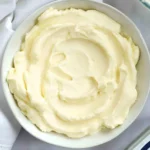

How to Make Cream Cheese Frosting: Complete Guide
- Soften the dairy: Allow cream cheese and butter to sit at room temperature for at least 30 minutes. Look for: a smooth, pliable consistency that leaves a faint indentation when pressed with a fingertip.
- Combine the fats: In a large mixing bowl, beat the softened cream cheese and butter together on low speed for 1‑2 minutes. Look for: a uniform, pale yellow mixture with no visible lumps.
- Add the dry sweetness: Gradually sift powdered sugar into the bowl, adding about ½ cup at a time while the mixer runs on medium speed. Look for: the mixture turning glossy and thickening after each addition.
- Incorporate flavor boosters: Pour in vanilla extract, sea salt, and lemon zest. Beat for another 30 seconds. Look for: a fragrant aroma and a subtle sheen.
- Boost the protein (optional): Sprinkle the vanilla whey protein powder over the frosting and mix on low to avoid over‑aerating. Look for: a smooth texture without powdery streaks.
- Adjust consistency: If the frosting feels too stiff, add 1 tablespoon heavy cream or milk and beat for 15 seconds. Look for: a spreadable consistency that easily drops from the whisk.
- Taste and fine‑tune: Sample a small spoonful; add a pinch more salt or a splash of vanilla if needed. Look for: a balanced sweet‑tangy profile.
- Chill before piping (optional): Refrigerate the frosting for 20‑30 minutes if you plan to pipe intricate designs. Look for: firm edges that hold shape but a soft center that spreads.
My Best Tips After Making Cream Cheese Frosting Dozens of Times
- Room‑temperature matters: Never rush the softening step. Cold cream cheese creates lumps that are impossible to fully smooth out.
- Use a stand mixer: A handheld whisk works, but a stand mixer with a paddle attachment saves your arms and yields a more aerated frosting.
- Measure powdered sugar by weight: This eliminates the “packed vs. sifted” confusion and gives consistent sweetness.
- Don’t over‑mix: Once the protein powder is added, mix just until combined. Over‑mixing can make the frosting gummy.
- Seasonal zest: Swap lemon zest for orange, lime, or even finely grated ginger health benefits for a unique twist.
- Storage hack: Place a piece of parchment paper directly on the surface of the frosting before sealing the container; this prevents a skin from forming.
Delicious Ways to Customize Cream Cheese Frosting
- Chocolate Swirl: Melt 2 oz dark chocolate, let it cool slightly, then fold into the frosting for a marbled chocolate‑cream cheese hybrid.
- Low‑Sugar Version: Replace half of the powdered sugar with a blend of powdered erythritol and stevia; the texture stays smooth while cutting sugar by 50%.
- High‑Protein Upgrade: Use 2 scoops of vanilla whey protein and reduce powdered sugar by ¼ cup; you’ll gain an extra 10 g protein per serving.
- Seasonal Fruit Infusion: Blend ¼ cup of pureed strawberries or pumpkin puree into the frosting for a fruity or autumnal flavor.
- Kid‑Friendly Fun: Add a few drops of natural food coloring and sprinkle colorful sprinkles after piping for a festive look.
How to Store and Reheat Cream Cheese Frosting
- Refrigeration: Transfer the frosting to an airtight container and store in the fridge for up to 3 days. Let it soften at room temperature for about 1 hour before using.
- Freezing: Portion the frosting into ½‑cup zip‑top bags, flatten, and freeze for up to 2 months. Thaw overnight in the fridge, then re‑whip for smoothness.
- Re‑whipping: After chilling, use a hand mixer on low for 20‑30 seconds to restore a pipe‑ready consistency.
- Avoid heat: Do not microwave the frosting; it will separate. If you must warm it, use a double‑boiler method for gentle heat.
What to Serve With Cream Cheese Frosting
- Classic vanilla cupcakes – the frosting’s tang balances the sweet sponge.
- Red‑velvet cake – the bright red color contrasts beautifully with the white frosting.
- Chocolate banana loaf – the citrus notes cut the richness of banana and chocolate.
- Fresh berry tarts – the frosting acts as a creamy layer that holds berries in place.
Frequently Asked Questions About Cream Cheese Frosting
Can I make this frosting ahead of time?
Yes, you can make it up to three days ahead. Store it in an airtight container in the refrigerator, then let it sit at room temperature for about an hour before spreading or piping.
Why does my frosting turn grainy?
Graininess usually comes from powdered sugar not fully dissolving. Sifting the sugar and adding it gradually while mixing on medium speed prevents this problem.
How do I make a dairy‑free version?
Swap the cream cheese for a dairy‑free cream cheese alternative and use coconut oil instead of butter. The texture will be slightly softer, so chill longer before piping.
Is this frosting suitable for a low‑sugar diet?
Yes, replace half the powdered sugar with powdered erythritol or a blend of erythritol and stevia. The frosting remains smooth, though the sweetness level is reduced.
Can I add more protein without changing the flavor?
Absolutely—use an unflavored whey or plant‑based protein powder. Add up to two scoops, reducing powdered sugar by ¼ cup per scoop to keep the consistency right.
What’s the best way to pipe intricate designs?
Chill the frosting for 20‑30 minutes after mixing. This firms it up enough to hold shape while still being soft enough to pipe through a medium‑sized tip.
Why does my frosting melt on a warm kitchen day?
Because cream cheese and butter soften quickly at higher temperatures. Keep the frosting refrigerated until just before use, and consider adding a teaspoon of cornstarch for extra stability.
Can I use this frosting on a gluten‑free cake?
Yes, the frosting itself is gluten‑free. Just ensure the cake layers you’re using are also gluten‑free to maintain an all‑gluten‑free dessert.
How long does the frosting keep its flavor?
When stored properly, the flavor stays fresh for up to 3 days. After that, the tang of the cream cheese may become more pronounced, and the texture can dry out.
Is it okay to freeze the frosting with fruit additions?
Yes, but fruit purées can release water when thawed. After thawing, re‑whip the frosting and, if needed, add a little extra powdered sugar to regain thickness.
Cream Cheese Frosting

A silky, tangy frosting that’s perfect for cupcakes, cakes, and high‑protein desserts.
Ingredients
Instructions
Nutrition Facts (per serving)
| Calories | 207 kcal |
| Protein | 1.4 g |
| Total Fat | 8.3 g |
| Saturated Fat | 5.6 g |
| Carbohydrates | 20 g |
| Fiber | 0 g |
| Sugar | 20 g |
| Sodium | 73 mg |
Frequently Asked Questions
Can I make this frosting ahead of time?
Yes, store it in an airtight container in the refrigerator for up to 3 days and let it soften before using.
How do I adjust the sweetness?
Add more powdered sugar for a sweeter frosting or reduce it slightly for a tangier taste.
Can I substitute the butter for a dairy‑free option?
Replace butter with an equal amount of dairy‑free margarine or coconut oil for a dairy‑free version.
Will the whey protein affect the texture?
The protein powder adds a slight thickness but keeps the frosting silky; if too thick, thin with a little milk.
How long does the frosting stay fresh at room temperature?
If kept in a cool room, it can sit out for up to 2 hours; otherwise refrigerate to maintain quality.
Share This Recipe:
You May Also Like
Ghoulishly Fun Beetlejuice Mini Trifles
Discover the Ghoulishly Fun Beetlejuice Mini Trifles recipe—protein‑packed, easy to make, and perfect for spooky gatherings. Click for step‑by‑step!

Decadent Chocolate Cheesecake That’s No-Bake and Irresistible
Indulge in a protein‑packed, no‑bake Chocolate Cheesecake that's silky, rich, and ready in minutes—perfect for cravings, fitness goals, and effortless dessert satisfaction.

Delicious Protein Baked Oats: Elevate Your Breakfast Game
Discover Protein Baked Oats that boost your morning with 20g protein, creamy texture, and quick prep. Click for the ultimate high‑protein breakfast!